When Did Vegas Become More Than Just Gambling?
Las Vegas wasn’t always the sprawling entertainment capital it is known for today. Long before the neon-lit megacasinos and star-studded production shows, Vegas was primarily—or some might say solely—a gambling town. Pinpointing the exact moment the city transformed into a full-fledged entertainment resort involves looking closely at the postwar boom on the Strip, innovations in neon signage and architecture, and the rise of comprehensive resort experiences in the 1950s. This wasn’t just a gradual layering but a concerted effort by visionaries to create destinations where gamblers were encouraged to stay longer and spend more, attracted by high-quality amenities beyond just the gaming floor.
The Postwar Resort Boom: More Than Bets and Chips
The post-World War II years marked a turning point in Vegas’s identity. With soldiers returning home and a broader American economy buoyed by prosperity and leisure, the demand for vacation destinations soared. While gambling remained central, the 1950s saw the Strip evolve into an entertainment ecosystem—a phrase that captures how multiple leisure layers were integrated within a single resort property.
Hotels and casinos no longer just offered places to gamble but included dining, swimming pools, lounges, and famously extravagant showroom theaters. This era—the showroom era—was when Vegas started to dazzle as an all-in-one playground.
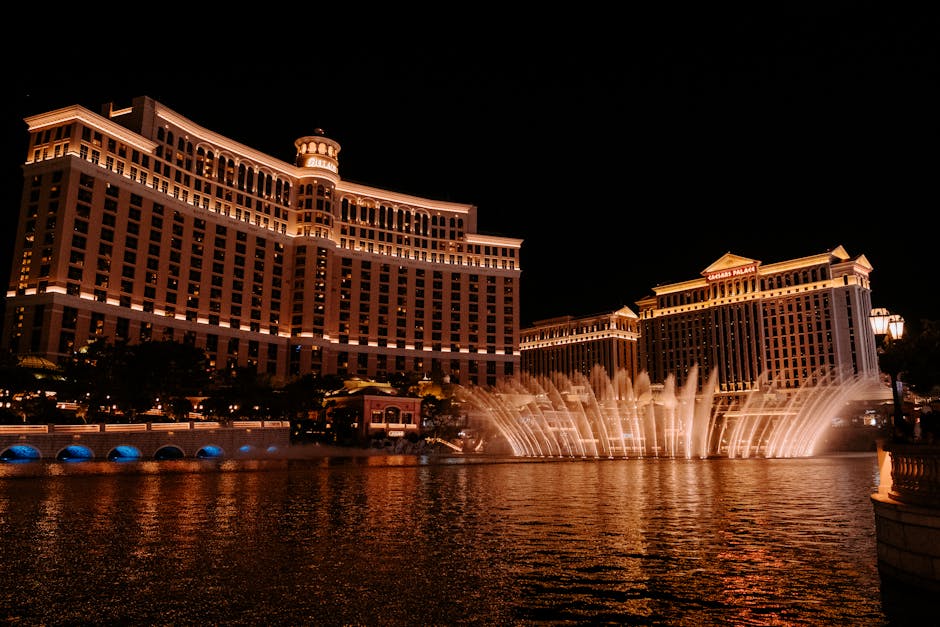
Museums and archives like the Smithsonian’s extensive si.edu collection highlight this shift, documenting how resorts positioned themselves for families, honeymooners, and show-goers alike, not just high rollers at the tables.
Fifties Web: Chronicling the Era of Vegas Transformation
For enthusiasts and historians desiring detailed insight into this crucial decade, resources like Fifties Web provide invaluable archival photographs, advertisements, and firsthand accounts. They reveal that innovations weren’t limited to entertainment but extended to how resorts marketed themselves:

- Colorful, attention-grabbing neon signage became more elaborate, turning the Strip into an illuminated spectacle by night.
- Unique architectural designs—think the futuristic Googie and mid-century modern styles—made the buildings themselves a draw.
- Resorts began branding themselves as comprehensive destinations, encouraging guests to partake in multiple leisure activities.
This marked a strategic departure from the simple gambling halls of the 1930s and ’40s that were functional but lacked broader appeal.
Neon and Architecture: Bright Lights Change the Game
Neon signage wasn’t new to Vegas, but it exploded in creativity during the 1950s. Where early neon signs announced "Casino" or "Hotel" plainly, decades-old examples show that by the '50s, signage was art and spectacle. The iconic Sahara’s neon cactus and the Space Age flair of the Desert Inn’s signs are more than advertisements—they were landmarks.
This emphasis on appealing, grandiose signage fed into the visitor psychology: the bright lights promised excitement and glamour beyond just gambling.
Meanwhile, architecture on the Strip embraced a distinctive style that screamed mid-century optimism. The Sands Hotel, opened in 1952, is often noted for its sleek design and emphasis on luxury spaces—like pools and lounges—within the resort. These spaces enabled guests to linger, socialize, and spend, well beyond the slot machines.
Disneyland for Adults: Resorts as Entertainment Ecosystems
Resorts started functioning like self-contained amusement parks for adults. The casino was one feature among many designed to occupy every minute of a guest’s time—and money. This shift entailed:
- Showrooms and production shows: Elaborate stage productions became headline draws. Frank Sinatra, Dean Martin, and the Rat Pack weren’t just performing — their shows acted as a beacon to bring wide-ranging crowds.
- Fine dining and celebrity chefs: Culinary experiences began rivaling the gambling floors for guest attention.
- Nightclubs and lounges: Sophisticated nightlife didn’t just keep people entertained; it kept them on property late into the night.
- Pool complexes and spa experiences: These were marketed as daytime activities, rounding out the 24/7 entertainment cycle.
This multi-pleasure ecosystem was revolutionary. It’s a mistake to think that Vegas’s rise was just gambling-driven—reports and testimonials from the era frequently underscored the draw of nighttime productions and the spectacle of resorts themselves.
Clearing Up a Common Mistake: The Myth of Precise Historical Ticket Prices and Schedules
One frequent issue when researching the 1950s showroom era is the absence of exact ticket prices, detailed room rates, or specific show schedules. Many promotional materials and news clippings from this era don’t include them, likely because pricing was flexible and intended to be learned through direct inquiry or negotiation upon arrival.
Websites like MrQ casino today remind us that gambling—and by extension, resort entertainment—is fluid in pricing and experience. Back then, the emphasis was on experience, star power, and prestige—not a fixed price tag in advertising materials.
Expecting modern-style transparency in historical data about Vegas show tickets and hotel rates is a misstep. Instead, look to broader economic and cultural context from sources like Fifties Web and Smithsonian’s archives to understand how entertainment value was constructed.
Conclusion: The 1950s Cement Vegas’s Entertainment Shift
Las Vegas made the leap from "gambling town" to "entertainment destination" primarily during the 1950s postwar resort boom. Innovations in neon signage, eye-catching architecture, and the rise of comprehensive resorts transformed the Strip into a dazzling showcase of nonstop leisure possibilities. The 1950s showroom era established stars and stage productions as major tourist draws, elevating live entertainment to a central economic and cultural role.
Understanding this complex evolution requires looking beyond gambling tables and chips to the full ecosystem of amenities and attractions that kept guests coming back. The Strip was no longer just about luck but about the promise of a complete night—or week—of indulgence.
For those wanting to dive deeper into this transformative time, resources such as Fifties Web and the Smithsonian archives at si.edu offer documentation and context. Meanwhile, modern innovators like MrQ casino fiftiesweb.com illustrate how the marriage of gambling and entertainment continues to evolve today.